World Earthquakes
Track seismic activity in earthquake-prone countries around the globe. Real-time data from USGS.
Global Earthquakes (Last 24 Hours)
M4.5+ • 16 events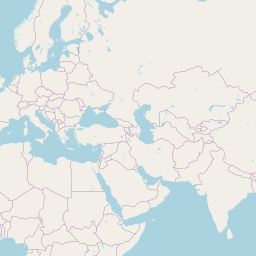
Earthquakes by Country
Japan
Japan sits at the intersection of four tectonic plates and experiences thousands of earthquakes annually. The country has developed some of the world's most advanced earthquake engineering and early warning systems.
Chile
Chile lies along the Pacific Ring of Fire and has experienced some of history's largest earthquakes, including the 1960 Valdivia earthquake, the most powerful ever recorded.
Indonesia
Indonesia's location along major subduction zones makes it one of the most earthquake-prone nations on Earth. The 2004 Sumatra earthquake triggered a devastating tsunami.
Mexico
Mexico sits above several converging tectonic plates, resulting in frequent seismic activity. Mexico City's soft soil amplifies shaking from distant earthquakes.
Turkey
Turkey sits on multiple active fault systems including the North Anatolian Fault. The country experiences frequent destructive earthquakes.
Italy
Italy experiences regular earthquakes due to the collision between the African and Eurasian plates. Historic cities face particular vulnerability.
Nepal
Nepal sits atop the collision zone between the Indian and Eurasian plates that created the Himalayas. The 2015 earthquake killed nearly 9,000 people.
New Zealand
New Zealand lies along the boundary between the Pacific and Australian plates. The country experiences frequent earthquakes and has strict building codes.
Philippines
The Philippines sits on the Pacific Ring of Fire and experiences regular earthquakes from multiple fault systems throughout the archipelago.
Iran
Iran experiences frequent earthquakes due to the collision between the Arabian and Eurasian plates. Adobe and unreinforced masonry buildings increase vulnerability.
China
China experiences earthquakes across its western regions due to the ongoing collision between India and Asia. The 2008 Sichuan earthquake was particularly devastating.
Peru
Peru lies along the Pacific Ring of Fire where the Nazca Plate subducts beneath South America. Earthquakes and tsunamis are recurring hazards.
Ecuador
Ecuador's location along the Nazca-South American plate boundary results in frequent seismic activity. The 2016 earthquake killed over 650 people.
Greece
Greece is the most seismically active country in Europe, located at the boundary between the African and Eurasian plates.
Iceland
Iceland sits astride the Mid-Atlantic Ridge where the North American and Eurasian plates are spreading apart, causing frequent earthquakes and volcanic activity.
Slovenia
Slovenia lies at the junction of the Alps, the Pannonian Basin, and the Dinaric Alps, where the Adriatic microplate collides with the Eurasian plate.
Taiwan
Taiwan sits at the collision zone between the Philippine Sea Plate and the Eurasian Plate, making it one of the most seismically active regions in the world.
Afghanistan
Afghanistan lies within the complex collision zone between the Indian and Eurasian plates. The Hindu Kush region experiences deep earthquakes regularly.
Pakistan
Pakistan straddles the boundary between the Indian and Eurasian plates. The 2005 Kashmir earthquake killed over 80,000 people.
India
India's collision with the Eurasian plate created the Himalayas and continues to cause earthquakes. The 2001 Gujarat earthquake was particularly devastating.
Bangladesh
Bangladesh sits on the active plate boundary where the Indian Plate subducts beneath the Burma Plate. Dense population increases earthquake vulnerability.
Myanmar
Myanmar lies along the Burma Plate boundary with multiple active fault systems including the Sagaing Fault running through the country.
Thailand
Thailand experiences earthquakes primarily in its northern regions near the Sagaing Fault system and from distant subduction zone events.
Vietnam
Vietnam experiences moderate seismic activity, particularly in its northwestern regions where several active fault systems exist.
Malaysia
Malaysia experiences occasional earthquakes, particularly in Sabah on Borneo. The country also feels effects from Indonesian subduction zone events.
Papua New Guinea
Papua New Guinea sits on the Pacific Ring of Fire at the collision zone of multiple tectonic plates, experiencing frequent large earthquakes.
Fiji
Fiji lies in a tectonically complex region where the Pacific and Australian plates interact, producing regular earthquake activity.
Tonga
Tonga sits above one of the fastest subduction zones on Earth where the Pacific Plate dives beneath the Australian Plate at nearly 24 cm per year.
Vanuatu
Vanuatu lies along the Pacific Ring of Fire with the Australian Plate subducting beneath the Pacific Plate, causing frequent earthquakes and volcanic activity.
Solomon Islands
The Solomon Islands sit on a complex tectonic boundary experiencing frequent earthquakes and tsunamis from nearby subduction zones.
Samoa
Samoa lies near the northern end of the Tonga Trench subduction zone. The 2009 earthquake and tsunami caused significant casualties.
Russia
Russia's Kamchatka Peninsula is one of the most seismically active regions on Earth, where the Pacific Plate subducts beneath the Okhotsk Plate.
Costa Rica
Costa Rica sits where the Cocos Plate subducts beneath the Caribbean Plate, causing frequent earthquakes along the Pacific coast.
Guatemala
Guatemala lies at the junction of three tectonic plates and experiences frequent earthquakes. The 1976 earthquake killed over 23,000 people.
El Salvador
El Salvador experiences regular earthquakes from the nearby Middle America Trench subduction zone and local volcanic fault systems.
Nicaragua
Nicaragua lies along the Central American volcanic arc where the Cocos Plate subducts beneath the Caribbean Plate, producing frequent seismic activity.
Honduras
Honduras sits near the boundary between the Caribbean and North American plates. The Motagua Fault system produces significant earthquakes.
Panama
Panama lies at the junction of the Cocos, Nazca, Caribbean, and South American plates, creating a complex tectonic setting with regular earthquakes.
Haiti
Haiti sits on the boundary between the Caribbean and North American plates. The devastating 2010 earthquake killed over 200,000 people.
Dominican Republic
The Dominican Republic shares the island of Hispaniola with Haiti on an active plate boundary. Several fault systems pose significant seismic hazard.
Jamaica
Jamaica lies on the plate boundary between the Caribbean and Gonâve microplates. The 1692 Port Royal earthquake caused massive destruction.
Puerto Rico
Puerto Rico sits between the Caribbean and North American plates with the Puerto Rico Trench to the north. The 2020 earthquake sequence caused widespread damage.
Cuba
Cuba experiences earthquakes primarily in its eastern regions near the plate boundary with the North American Plate. Santiago de Cuba has been struck by major earthquakes historically.
Colombia
Colombia sits at the junction of the Nazca, Caribbean, and South American plates, experiencing frequent earthquakes. The 1999 Armenia earthquake killed over 1,000 people.
Venezuela
Venezuela lies along the boundary between the Caribbean and South American plates. The Boconó Fault system in the Andes produces regular earthquakes.
Argentina
Argentina experiences earthquakes primarily in its western Andean regions where the Nazca Plate subducts beneath South America. Mendoza is particularly vulnerable.
Bolivia
Bolivia experiences deep earthquakes from the subducting Nazca Plate. The 1994 deep-focus earthquake was one of the largest deep earthquakes ever recorded.
Albania
Albania lies in one of the most seismically active regions of Europe where the Adriatic microplate collides with Eurasia. The 2019 earthquake killed 51 people.
Croatia
Croatia experiences earthquakes from the collision between the Adriatic microplate and the Eurasian Plate. The 2020 Zagreb earthquake caused significant damage.
Montenegro
Montenegro lies along the tectonically active Adriatic coast where the Adriatic microplate collides with the Dinarides mountain belt.
Bosnia and Herzegovina
Bosnia and Herzegovina experiences moderate seismic activity from the ongoing collision between the Adriatic microplate and the Eurasian Plate.
Serbia
Serbia lies in the seismically active Balkan region with several active fault systems. The country experiences regular moderate earthquakes.
North Macedonia
North Macedonia lies in the seismically active Balkan region. The 1963 Skopje earthquake destroyed much of the capital city.
Bulgaria
Bulgaria experiences earthquakes from multiple fault systems in the Balkan region. Sofia and Plovdiv face significant seismic hazard.
Romania
Romania experiences significant earthquakes from the Vrancea seismic zone, one of the most active intermediate-depth earthquake sources in Europe.
Portugal
Portugal lies near the boundary between the African and Eurasian plates. The 1755 Lisbon earthquake was one of the deadliest in history.
Spain
Spain experiences moderate seismic activity, particularly in the south and southeast near the African-Eurasian plate boundary.
Morocco
Morocco lies near the boundary between the African and Eurasian plates. The 2023 Al Haouz earthquake killed nearly 3,000 people.
Algeria
Algeria sits on the active boundary between the African and Eurasian plates. The 2003 Boumerdès earthquake killed over 2,000 people.
Tunisia
Tunisia lies near the African-Eurasian plate boundary and experiences moderate seismic activity, particularly in the northern regions.
Egypt
Egypt experiences earthquakes from the Red Sea Rift, the Gulf of Suez, and the nearby plate boundaries. The 1992 Cairo earthquake killed over 500 people.
Israel
Israel lies along the Dead Sea Transform fault, a major plate boundary between the African and Arabian plates. Historical earthquakes have destroyed cities throughout the region.
Jordan
Jordan borders the Dead Sea Transform fault system and experiences regular seismic activity. Ancient Petra and other historic sites show evidence of past earthquake damage.
Lebanon
Lebanon lies along the Dead Sea Transform fault and the Yammouneh Fault. Beirut has been destroyed by earthquakes multiple times throughout history.
Syria
Syria lies along the Dead Sea Transform fault system. The 1202 and 1138 earthquakes are among the deadliest in recorded history.
Iraq
Iraq experiences earthquakes from the collision zone between the Arabian and Eurasian plates, particularly in the northern and eastern mountainous regions.
Saudi Arabia
Saudi Arabia experiences earthquakes along the Red Sea Rift and from distant plate boundary events. The western coastal region is most active.
Yemen
Yemen lies along the active rifting zones of the Red Sea and Gulf of Aden, experiencing regular seismic and volcanic activity.
Oman
Oman experiences earthquakes from the Makran subduction zone and the Owen Fracture Zone. The northeastern coast is most seismically active.
United Arab Emirates
The UAE occasionally feels earthquakes from the nearby Zagros Mountains collision zone and the Makran subduction zone in Iran.
Armenia
Armenia lies in the seismically active Caucasus region where the Arabian Plate collides with Eurasia. The 1988 Spitak earthquake killed over 25,000 people.
Georgia
Georgia lies in the tectonically active Caucasus region between the Arabian and Eurasian plates, experiencing regular moderate earthquakes.
Azerbaijan
Azerbaijan experiences earthquakes from the collision between the Arabian and Eurasian plates. The Greater Caucasus and nearby regions are seismically active.
Turkmenistan
Turkmenistan experiences earthquakes from the Kopet Dag mountain range along the Iran border. The 1948 Ashgabat earthquake killed over 100,000 people.
Uzbekistan
Uzbekistan lies in the seismically active region of Central Asia with major fault systems in the Tien Shan mountains. Tashkent was destroyed by an earthquake in 1966.
Tajikistan
Tajikistan is one of the most seismically active countries in Central Asia, located in the Pamir Mountains where the Indian and Eurasian plates continue to collide.
Kyrgyzstan
Kyrgyzstan lies in the tectonically active Tien Shan mountain range with frequent earthquakes from ongoing continental collision.
Kazakhstan
Kazakhstan experiences earthquakes primarily in its southern and eastern mountainous regions near the Tien Shan and Altai ranges.
Mongolia
Mongolia experiences significant earthquakes from reactivated faults in the Altai and Gobi-Altai mountain ranges. The 1957 Gobi-Altai earthquake was magnitude 8.1.
South Korea
South Korea experiences moderate seismicity from intraplate faults. The 2016 Gyeongju and 2017 Pohang earthquakes raised awareness of seismic hazard.
North Korea
North Korea experiences moderate seismic activity from regional fault systems. Some detected seismic events have been related to nuclear tests.
Bhutan
Bhutan lies in the Himalayan collision zone where the Indian Plate pushes beneath the Eurasian Plate, creating significant earthquake hazard.
Sri Lanka
Sri Lanka experiences occasional earthquakes and is vulnerable to tsunamis from Sumatra subduction zone events, as demonstrated in 2004.
Canada
Western Canada lies along the Cascadia Subduction Zone and experiences regular earthquakes. Eastern Canada also has significant seismic zones.
Australia
Australia experiences intraplate earthquakes throughout the continent. The 1989 Newcastle earthquake demonstrated that damaging events can occur anywhere.
Switzerland
Switzerland experiences moderate earthquakes from the collision between the African and Eurasian plates that created the Alps. Basel was destroyed by an earthquake in 1356.
Austria
Austria lies in the Eastern Alps and experiences moderate seismic activity from the collision between the Adriatic microplate and the Eurasian Plate.
France
France experiences moderate seismic activity, particularly in the Alps, Pyrenees, and along the Rhine Graben. Several regions have moderate earthquake hazard.
Germany
Germany experiences occasional earthquakes, particularly in the Upper Rhine Graben and the Swabian Alb region. Some areas have induced seismicity from mining.
Poland
Poland experiences low to moderate seismic activity, with some earthquakes in the southern mountain regions and induced events from mining activities.
Czech Republic
The Czech Republic experiences earthquake swarms in the Vogtland/West Bohemia region, likely related to deep fluid movement in the crust.
Slovakia
Slovakia lies in the Western Carpathians and experiences moderate seismicity from regional fault systems and nearby tectonic activity.
Hungary
Hungary experiences moderate seismic activity within the Pannonian Basin. The 1956 Dunaharaszti earthquake demonstrated ongoing seismic hazard.
Cyprus
Cyprus lies near the boundary between the African and Anatolian plates and experiences regular earthquakes from nearby fault systems.
Ethiopia
Ethiopia sits atop the East African Rift system where the African continent is slowly splitting apart, causing frequent earthquakes and volcanic activity.
Kenya
Kenya lies along the East African Rift Valley with active faults and volcanic features. The rift system produces regular moderate earthquakes.
Tanzania
Tanzania straddles the East African Rift system with significant seismic activity in the western rift branch and around Lake Tanganyika.
Uganda
Uganda lies along the western branch of the East African Rift, experiencing earthquakes from the actively extending rift system.
Democratic Republic of Congo
The DRC borders the East African Rift system along its eastern edge, where significant earthquakes occur from active rift faulting.
Rwanda
Rwanda lies in the western branch of the East African Rift and experiences earthquakes from the actively extending rift system and nearby volcanic activity.
Malawi
Malawi occupies the southern end of the East African Rift system with significant seismicity along the Malawi Rift and Lake Malawi.
Mozambique
Mozambique lies along the southern extension of the East African Rift system and experiences earthquakes from regional fault systems.
South Africa
South Africa experiences both natural earthquakes and significant induced seismicity from deep gold mining operations in the Witwatersrand region.
About Global Earthquake Tracking
The USGS monitors earthquakes worldwide through a network of seismometers and partnerships with international agencies. While coverage is best for the United States, significant earthquakes (M4.5+) are detected globally.
The countries listed above are among the most seismically active in the world, located along major tectonic plate boundaries including the Pacific Ring of Fire, the Alpine-Himalayan belt, and mid-ocean ridges.
Frequently Asked Questions
Which country has the most earthquakes?
Indonesia, Japan, and the Philippines lead worldwide in annual earthquake counts because they sit on major subduction zones in the Pacific Ring of Fire. Indonesia alone records around 7,000 earthquakes of magnitude 4.0 or greater each year, while Japan's dense seismograph network detects tens of thousands of smaller events that quieter networks elsewhere never catch.
Why do some countries have more earthquakes than others?
Earthquake frequency is governed by tectonic plate boundaries. Countries on subduction zones — where one plate dives beneath another — see the most frequent and largest events. Mid-plate countries like the United Kingdom, most of Russia, and central Africa have far fewer earthquakes because they sit on stable continental interiors.
How often is this data updated?
Per-country pages refresh from the USGS feed every 5 minutes for live counts and the latest event. Country metadata (name, region, fault associations) is static. We do not query national seismological agencies directly — the USGS feed aggregates contributions from regional networks worldwide.
Why is a specific country missing from this list?
We currently profile around 100 countries with meaningful seismic activity (≥1 M4+ event per year on average). Countries with no recorded seismicity in the past decade are not listed. If you believe a country should be added, please contact us.