Earthquakes on January 1, 2026
Magnitude Breakdown
Activity Summary
Geographic Breakdown
By US State
Significant Earthquakes (M4.5+)
111 km N of Yakutat, Alaska
06:46 UTC · 5.0 km deep
Felt by 35
113 km NNW of Yakutat, Alaska
06:54 UTC · 5.0 km deep
Felt by 6
48 km W of San Antonio de los Cobres, Argentina
04:26 UTC · 181.1 km deep
Felt by 1
111 km SSE of Port-Vila, Vanuatu
21:35 UTC · 139.1 km deep
33 km NE of Shwebo, Burma (Myanmar)
13:18 UTC · 10.0 km deep
Felt by 2
26 km ENE of Kinablangan, Philippines
10:46 UTC · 57.7 km deep
Felt by 5
Banda Sea
03:05 UTC · 180.5 km deep
109 km N of Yakutat, Alaska
06:51 UTC · 5.0 km deep
Felt by 1
Earthquake Map — January 1, 2026
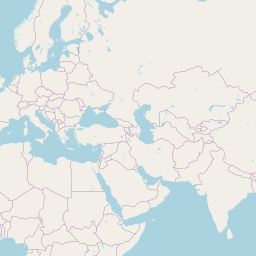
All Earthquakes — January 1, 2026
| Time ↓ | Mag ↕ | Location ↕ | Depth ↕ | Felt ↕ | MMI | Alert | Status | Details |
|---|---|---|---|---|---|---|---|---|
2026-01-01 2026-01-01 23:56:48 UTC | 2.0ml | 65 km W of Nanwalek, Alaska 59.336°, -153.064° | 93.9 km | - | - | - | ✓ Reviewed | USGS → |
On January 1, 2026 at 23:56 UTC, a magnitude 2.0 earthquake struck 65 km W of Nanwalek, Alaska. The event was offshore. See the M2.0 event page for the full report, ShakeMap, and citizen-reported intensity data. | ||||||||
2026-01-01 2026-01-01 23:49:13 UTC | 2.1ml | 111 km N of Yakutat, Alaska 60.538°, -140.022° | 4.6 km | - | - | - | ✓ Reviewed | USGS → |
On January 1, 2026 at 23:49 UTC, a magnitude 2.1 earthquake struck 111 km N of Yakutat, Alaska. It arrived roughly 17 hours after a larger magnitude 5.7 mainshock in the same 20 km area, placing it within the typical aftershock window. This very shallow event was close enough to the surface that even modest magnitudes can produce significant local shaking. See the M2.1 event page for the full report, ShakeMap, and citizen-reported intensity data. | ||||||||
2026-01-01 2026-01-01 23:48:02 UTC | 2.0ml | 112 km N of Yakutat, Alaska 60.550°, -140.002° | 6.7 km | - | - | - | ✓ Reviewed | USGS → |
A magnitude 2.0 earthquake was recorded 112 km N of Yakutat, Alaska on January 1, 2026 at 23:48 UTC. Coming 17 hours after a magnitude 5.7 earthquake in the immediate vicinity, it is most likely an aftershock of that larger rupture. The event was offshore. See the M2.0 event page for the full report, ShakeMap, and citizen-reported intensity data. | ||||||||
2026-01-01 2026-01-01 23:47:49 UTC | 2.5ml | 56 km SW of Nikolski, Alaska 52.570°, -169.431° | 5.1 km | - | - | - | ✓ Reviewed | USGS → |
On January 1, 2026 at 23:47 UTC, a magnitude 2.5 earthquake struck 56 km SW of Nikolski, Alaska. The event was offshore. See the M2.5 event page for the full report, ShakeMap, and citizen-reported intensity data. | ||||||||
2026-01-01 2026-01-01 23:34:18 UTC | 2.2ml | 111 km N of Yakutat, Alaska 60.537°, -139.964° | 2.4 km | - | - | - | ✓ Reviewed | USGS → |
The USGS recorded this magnitude 2.2 earthquake 111 km N of Yakutat, Alaska at 23:34 UTC on January 1, 2026. It arrived roughly 17 hours after a larger magnitude 5.7 mainshock in the same 20 km area, placing it within the typical aftershock window. This very shallow event was close enough to the surface that even modest magnitudes can produce significant local shaking. See the M2.2 event page for the full report, ShakeMap, and citizen-reported intensity data. | ||||||||
2026-01-01 2026-01-01 23:32:31 UTC | 2.0ml | 109 km N of Yakutat, Alaska 60.512°, -140.075° | 9.7 km | - | - | - | ✓ Reviewed | USGS → |
Seismographs logged a magnitude 2.0 earthquake 109 km N of Yakutat, Alaska with origin time 23:32 UTC on January 1, 2026. It arrived roughly 17 hours after a larger magnitude 5.7 mainshock in the same 20 km area, placing it within the typical aftershock window. The event was offshore. See the M2.0 event page for the full report, ShakeMap, and citizen-reported intensity data. | ||||||||
2026-01-01 2026-01-01 23:30:51 UTC | 4.2mb | 132 km W of San Juan, Peru -15.479°, -76.391° | 10.0 km | - | - | - | ✓ Reviewed | USGS → |
On January 1, 2026 at 23:30 UTC, a magnitude 4.2 earthquake struck 132 km W of San Juan, Peru. The event was offshore. See the M4.2 event page for the full report, ShakeMap, and citizen-reported intensity data. | ||||||||
2026-01-01 2026-01-01 23:27:29 UTC | 2.3ml | 119 km N of Yakutat, Alaska 60.614°, -139.930° | 0.9 km | - | - | - | ✓ Reviewed | USGS → |
On January 1, 2026 at 23:27 UTC, a magnitude 2.3 earthquake struck 119 km N of Yakutat, Alaska. Coming 17 hours after a magnitude 5.7 earthquake in the immediate vicinity, it is most likely an aftershock of that larger rupture. This very shallow event was close enough to the surface that even modest magnitudes can produce significant local shaking. See the M2.3 event page for the full report, ShakeMap, and citizen-reported intensity data. | ||||||||
2026-01-01 2026-01-01 23:27:18 UTC | 4.8mb | 133 km ESE of Yigo Village, Guam 13.248°, 146.083° | 10.0 km | - | - | - | ✓ Reviewed | USGS → |
A magnitude 4.8 earthquake was recorded 133 km ESE of Yigo Village, Guam on January 1, 2026 at 23:27 UTC. See the M4.8 event page for the full report, ShakeMap, and citizen-reported intensity data. | ||||||||
2026-01-01 2026-01-01 23:24:13 UTC | 2.2ml | 53 km SW of Nanwalek, Alaska 58.968°, -152.478° | 69.9 km | - | - | - | ✓ Reviewed | USGS → |
This magnitude 2.2 event was detected 53 km SW of Nanwalek, Alaska on January 1, 2026, with origin time 23:24 UTC. The event was offshore. See the M2.2 event page for the full report, ShakeMap, and citizen-reported intensity data. | ||||||||
2026-01-01 2026-01-01 23:17:28 UTC | 2.4ml | 97 km SSE of Sand Point, Alaska 54.480°, -160.182° | 21.0 km | - | - | - | ✓ Reviewed | USGS → |
This magnitude 2.4 event was detected 97 km SSE of Sand Point, Alaska on January 1, 2026, with origin time 23:17 UTC. It arrived roughly 3 hours after a larger magnitude 3.2 mainshock in the same 20 km area, placing it within the typical aftershock window. See the M2.4 event page for the full report, ShakeMap, and citizen-reported intensity data. | ||||||||
2026-01-01 2026-01-01 23:07:51 UTC | 2.9ml | 189 km W of Bandon, Oregon 43.359°, -126.719° | 10.0 km | - | - | - | ✓ Reviewed | USGS → |
Seismographs logged a magnitude 2.9 earthquake 189 km W of Bandon, Oregon with origin time 23:07 UTC on January 1, 2026. The event was offshore. See the M2.9 event page for the full report, ShakeMap, and citizen-reported intensity data. | ||||||||
2026-01-01 2026-01-01 23:07:37 UTC | 2.0ml | 110 km N of Yakutat, Alaska 60.530°, -140.005° | 9.8 km | - | - | - | ✓ Reviewed | USGS → |
On January 1, 2026, worldwide seismic activity registered a magnitude 2.0 earthquake 110 km N of Yakutat, Alaska at 23:07 UTC. This event falls inside the aftershock decay of a nearby magnitude 5.7 earthquake that occurred about 16 hours earlier. The event was offshore. See the M2.0 event page for the full report, ShakeMap, and citizen-reported intensity data. | ||||||||
2026-01-01 2026-01-01 23:06:31 UTC | 2.0ml | 108 km N of Yakutat, Alaska 60.501°, -140.073° | 9.3 km | - | - | - | ✓ Reviewed | USGS → |
At 23:06 UTC on January 1, 2026, a magnitude 2.0 tremor occurred 108 km N of Yakutat, Alaska. Coming 16 hours after a magnitude 5.7 earthquake in the immediate vicinity, it is most likely an aftershock of that larger rupture. The event was offshore. See the M2.0 event page for the full report, ShakeMap, and citizen-reported intensity data. | ||||||||
2026-01-01 2026-01-01 22:58:30 UTC | 2.4ml | 50 km ESE of Nikolski, Alaska 52.808°, -168.141° | 49.8 km | - | - | - | ✓ Reviewed | USGS → |
Reports of a magnitude 2.4 earthquake 50 km ESE of Nikolski, Alaska came in on January 1, 2026 at 22:58 UTC. See the M2.4 event page for the full report, ShakeMap, and citizen-reported intensity data. | ||||||||
2026-01-01 2026-01-01 22:56:37 UTC | 2.5ml | 28 km NW of Beluga, Alaska 61.324°, -151.458° | 75.1 km | - | - | - | ✓ Reviewed | USGS → |
A magnitude 2.5 earthquake was recorded 28 km NW of Beluga, Alaska on January 1, 2026 at 22:56 UTC. The event was offshore. See the M2.5 event page for the full report, ShakeMap, and citizen-reported intensity data. | ||||||||
2026-01-01 2026-01-01 22:54:31 UTC | 3.2ml | 113 km N of Yakutat, Alaska 60.553°, -140.012° | 1.1 km | - | III | - | ✓ Reviewed | USGS → |
On January 1, 2026, worldwide seismic activity registered a magnitude 3.2 earthquake 113 km N of Yakutat, Alaska at 22:54 UTC. Coming 16 hours after a magnitude 5.7 earthquake in the immediate vicinity, it is most likely an aftershock of that larger rupture. This very shallow event was close enough to the surface that even modest magnitudes can produce significant local shaking. See the M3.2 event page for the full report, ShakeMap, and citizen-reported intensity data. | ||||||||
2026-01-01 2026-01-01 22:49:46 UTC | 4.7mb | 57 km SSW of Ollagüe, Chile -21.691°, -68.504° | 131.5 km | - | - | - | ✓ Reviewed | USGS → |
Seismographs logged a magnitude 4.7 earthquake 57 km SSW of Ollagüe, Chile with origin time 22:49 UTC on January 1, 2026. See the M4.7 event page for the full report, ShakeMap, and citizen-reported intensity data. | ||||||||
2026-01-01 2026-01-01 22:47:40 UTC | 2.0ml | 109 km N of Yakutat, Alaska 60.520°, -140.031° | 7.5 km | - | - | - | ✓ Reviewed | USGS → |
The USGS recorded this magnitude 2.0 earthquake 109 km N of Yakutat, Alaska at 22:47 UTC on January 1, 2026. It arrived roughly 16 hours after a larger magnitude 5.7 mainshock in the same 20 km area, placing it within the typical aftershock window. The event was offshore. See the M2.0 event page for the full report, ShakeMap, and citizen-reported intensity data. | ||||||||
2026-01-01 2026-01-01 22:45:10 UTC | 2.1ml | 97 km N of Yakutat, Alaska 60.419°, -139.575° | 3.7 km | - | - | - | ✓ Reviewed | USGS → |
A magnitude 2.1 earthquake was recorded 97 km N of Yakutat, Alaska on January 1, 2026 at 22:45 UTC. This event falls inside the aftershock decay of a nearby magnitude 3.0 earthquake that occurred about 6 hours earlier. This very shallow event was close enough to the surface that even modest magnitudes can produce significant local shaking. See the M2.1 event page for the full report, ShakeMap, and citizen-reported intensity data. | ||||||||
2026-01-01 2026-01-01 22:43:46 UTC | 2.1ml | 108 km N of Yakutat, Alaska 60.513°, -140.012° | 9.2 km | - | - | - | ✓ Reviewed | USGS → |
Seismographs logged a magnitude 2.1 earthquake 108 km N of Yakutat, Alaska with origin time 22:43 UTC on January 1, 2026. Coming 16 hours after a magnitude 5.7 earthquake in the immediate vicinity, it is most likely an aftershock of that larger rupture. The event was offshore. See the M2.1 event page for the full report, ShakeMap, and citizen-reported intensity data. | ||||||||
2026-01-01 2026-01-01 22:39:30 UTC | 2.1ml | 58 km E of Port Alsworth, Alaska 60.248°, -153.259° | 145.7 km | - | - | - | ✓ Reviewed | USGS → |
On January 1, 2026, worldwide seismic activity registered a magnitude 2.1 earthquake 58 km E of Port Alsworth, Alaska at 22:39 UTC. The event was offshore. See the M2.1 event page for the full report, ShakeMap, and citizen-reported intensity data. | ||||||||
2026-01-01 2026-01-01 22:32:49 UTC | 2.0ml | 116 km N of Yakutat, Alaska 60.586°, -139.924° | 12.1 km | - | - | - | ✓ Reviewed | USGS → |
This magnitude 2.0 event was detected 116 km N of Yakutat, Alaska on January 1, 2026, with origin time 22:32 UTC. This event falls inside the aftershock decay of a nearby magnitude 5.7 earthquake that occurred about 16 hours earlier. The event was offshore. See the M2.0 event page for the full report, ShakeMap, and citizen-reported intensity data. | ||||||||
2026-01-01 2026-01-01 22:29:13 UTC | 2.3ml | 111 km N of Yakutat, Alaska 60.542°, -139.969° | 2.7 km | - | - | - | ✓ Reviewed | USGS → |
A magnitude 2.3 earthquake was recorded 111 km N of Yakutat, Alaska on January 1, 2026 at 22:29 UTC. It arrived roughly 16 hours after a larger magnitude 5.7 mainshock in the same 20 km area, placing it within the typical aftershock window. This very shallow event was close enough to the surface that even modest magnitudes can produce significant local shaking. See the M2.3 event page for the full report, ShakeMap, and citizen-reported intensity data. | ||||||||
2026-01-01 2026-01-01 22:27:22 UTC | 2.3ml | 109 km N of Yakutat, Alaska 60.516°, -140.074° | 6.6 km | - | - | - | ✓ Reviewed | USGS → |
Seismographs logged a magnitude 2.3 earthquake 109 km N of Yakutat, Alaska with origin time 22:27 UTC on January 1, 2026. This event falls inside the aftershock decay of a nearby magnitude 5.7 earthquake that occurred about 16 hours earlier. The event was offshore. See the M2.3 event page for the full report, ShakeMap, and citizen-reported intensity data. | ||||||||
2026-01-01 2026-01-01 22:21:29 UTC | 2.0ml | 112 km N of Yakutat, Alaska 60.542°, -140.032° | 11.5 km | - | - | - | ✓ Reviewed | USGS → |
Reports of a magnitude 2.0 earthquake 112 km N of Yakutat, Alaska came in on January 1, 2026 at 22:21 UTC. Coming 16 hours after a magnitude 5.7 earthquake in the immediate vicinity, it is most likely an aftershock of that larger rupture. The event was offshore. See the M2.0 event page for the full report, ShakeMap, and citizen-reported intensity data. | ||||||||
2026-01-01 2026-01-01 22:18:41 UTC | 2.4ml | 112 km N of Yakutat, Alaska 60.551°, -139.998° | 1.1 km | - | - | - | ✓ Reviewed | USGS → |
A magnitude 2.4 seismic event took place 112 km N of Yakutat, Alaska on January 1, 2026 at 22:18 UTC. Coming 16 hours after a magnitude 5.7 earthquake in the immediate vicinity, it is most likely an aftershock of that larger rupture. This very shallow event was close enough to the surface that even modest magnitudes can produce significant local shaking. See the M2.4 event page for the full report, ShakeMap, and citizen-reported intensity data. | ||||||||
2026-01-01 2026-01-01 22:13:04 UTC | 4.5mb | 278 km N of Saipan, Northern Mariana Islands 17.718°, 145.998° | 120.3 km | - | - | - | ✓ Reviewed | USGS → |
January 1, 2026 brought a magnitude 4.5 earthquake 278 km N of Saipan, Northern Mariana Islands, logged at 22:13 UTC. The event was offshore. See the M4.5 event page for the full report, ShakeMap, and citizen-reported intensity data. | ||||||||
2026-01-01 2026-01-01 22:12:40 UTC | 2.0ml | 110 km N of Yakutat, Alaska 60.530°, -139.974° | 2.5 km | - | - | - | ✓ Reviewed | USGS → |
A magnitude 2.0 seismic event took place 110 km N of Yakutat, Alaska on January 1, 2026 at 22:12 UTC. It arrived roughly 15 hours after a larger magnitude 5.7 mainshock in the same 20 km area, placing it within the typical aftershock window. This very shallow event was close enough to the surface that even modest magnitudes can produce significant local shaking. See the M2.0 event page for the full report, ShakeMap, and citizen-reported intensity data. | ||||||||
2026-01-01 2026-01-01 22:10:21 UTC | 2.0ml | 109 km N of Yakutat, Alaska 60.521°, -140.025° | 7.5 km | - | - | - | ✓ Reviewed | USGS → |
January 1, 2026 brought a magnitude 2.0 earthquake 109 km N of Yakutat, Alaska, logged at 22:10 UTC. This event falls inside the aftershock decay of a nearby magnitude 5.7 earthquake that occurred about 15 hours earlier. The event was offshore. See the M2.0 event page for the full report, ShakeMap, and citizen-reported intensity data. | ||||||||
About This Page
This page shows all earthquakes recorded by the USGS Earthquake Hazards Program during the 24-hour UTC period on January 1, 2026. Data includes all events of magnitude 1.0 or greater. Past earthquake data is considered final after review by USGS seismologists.