1 earthquakes in the last 24 hours• Latest significant: M3.6
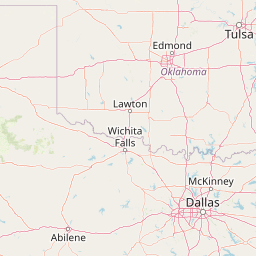
Earthquake Map
Recent Earthquakes (Last 30 Days)
Dataset at a glance — Texas
Over the past 30 days, Texas has recorded 52 earthquakes of magnitude 2.5 or greater in our tracker. The remaining 52 fell in the M2.5–M3.9 band. By depth: 52 shallow (<70 km). 28 of the epicenters were offshore. 9 events produced at least one felt report, totalling 12 citizen submissions to the USGS Did You Feel It? system. Focal depths ranged from 0.1 km to 9.4 km. All 52 solutions have been reviewed by a USGS seismologist.
Each row in the table below includes a narrative summary of the event, ordered by time. Use the column headers to sort or filter by magnitude.
This magnitude 2.9 event was detected 31 km SSE of Hope, New Mexico on October 4, 2026, with origin time 14:09 UTC. See the M2.9 event page for the full report, ShakeMap, and citizen-reported intensity data.
Reports of a magnitude 2.7 earthquake 53 km NW of Toyah, Texas came in on October 2, 2026 at 09:43 UTC. It arrived roughly 49 hours after a larger magnitude 3.3 mainshock in the same 20 km area, placing it within the typical aftershock window. The event was offshore. See the M2.7 event page for the full report, ShakeMap, and citizen-reported intensity data.
A magnitude 3.1 seismic event took place 55 km SSW of Whites City, New Mexico on October 1, 2026 at 18:47 UTC. Coming 34 hours after a magnitude 3.3 earthquake in the immediate vicinity, it is most likely an aftershock of that larger rupture. This very shallow event was close enough to the surface that even modest magnitudes can produce significant local shaking. See the M3.1 event page for the full report, ShakeMap, and citizen-reported intensity data.
This magnitude 2.6 event was detected 16 km ESE of Pearsall, Texas on September 30, 2026, with origin time 19:37 UTC. See the M2.6 event page for the full report, ShakeMap, and citizen-reported intensity data.
Reports of a magnitude 2.9 earthquake 61 km S of Whites City, New Mexico came in on September 30, 2026 at 13:35 UTC. Coming 5 hours after a magnitude 3.3 earthquake in the immediate vicinity, it is most likely an aftershock of that larger rupture. The event was offshore. See the M2.9 event page for the full report, ShakeMap, and citizen-reported intensity data.
September 30, 2026 brought a magnitude 3.1 earthquake 20 km WNW of Stanton, Texas, logged at 10:25 UTC. See the M3.1 event page for the full report, ShakeMap, and citizen-reported intensity data.
At 08:50 UTC on September 30, 2026, a magnitude 3.3 tremor occurred 61 km S of Whites City, New Mexico. In the 72 hours after this event, the USGS recorded 3 smaller earthquakes within 20 km, consistent with an ongoing aftershock sequence rooted here. See the M3.3 event page for the full report, ShakeMap, and citizen-reported intensity data.
On September 28, 2026, Texas registered a magnitude 2.5 earthquake 52 km SSW of Whites City, New Mexico at 01:15 UTC. This event falls inside the aftershock decay of a nearby magnitude 3.0 earthquake that occurred about 71 hours earlier. See the M2.5 event page for the full report, ShakeMap, and citizen-reported intensity data.
At 23:45 UTC on September 27, 2026, a magnitude 2.5 tremor occurred 59 km NW of Toyah, Texas. The event was offshore. See the M2.5 event page for the full report, ShakeMap, and citizen-reported intensity data.
Seismographs logged a magnitude 2.5 earthquake 4 km NNE of Tatums, Oklahoma with origin time 11:52 UTC on September 27, 2026. This is the shallowest earthquake in the current dataset — a shallow crustal event. See the M2.5 event page for the full report, ShakeMap, and citizen-reported intensity data.
Seismographs logged a magnitude 2.8 earthquake 17 km W of Charlotte, Texas with origin time 20:49 UTC on September 26, 2026. The event was offshore. See the M2.8 event page for the full report, ShakeMap, and citizen-reported intensity data.
A magnitude 2.7 seismic event took place 16 km ESE of Pearsall, Texas on September 26, 2026 at 20:37 UTC. See the M2.7 event page for the full report, ShakeMap, and citizen-reported intensity data.
Reports of a magnitude 2.6 earthquake 11 km NE of Toyah, Texas came in on September 25, 2026 at 18:01 UTC. The event was offshore. See the M2.6 event page for the full report, ShakeMap, and citizen-reported intensity data.
The USGS recorded this magnitude 2.5 earthquake 16 km NE of House, New Mexico at 05:57 UTC on September 25, 2026. This is the deepest earthquake in the current dataset — a shallow crustal event. See the M2.5 event page for the full report, ShakeMap, and citizen-reported intensity data.
Seismographs logged a magnitude 3.0 earthquake 55 km SSW of Whites City, New Mexico with origin time 02:25 UTC on September 25, 2026. This very shallow event was close enough to the surface that even modest magnitudes can produce significant local shaking. See the M3.0 event page for the full report, ShakeMap, and citizen-reported intensity data.
On September 24, 2026, Texas registered a magnitude 2.8 earthquake 32 km SW of Garden City, Texas at 20:57 UTC. Coming 12 hours after a magnitude 3.6 earthquake in the immediate vicinity, it is most likely an aftershock of that larger rupture. This very shallow event was close enough to the surface that even modest magnitudes can produce significant local shaking. See the M2.8 event page for the full report, ShakeMap, and citizen-reported intensity data.
This magnitude 3.2 event was detected 32 km SW of Garden City, Texas on September 24, 2026, with origin time 20:33 UTC. It arrived roughly 12 hours after a larger magnitude 3.6 mainshock in the same 20 km area, placing it within the typical aftershock window. The event was offshore. See the M3.2 event page for the full report, ShakeMap, and citizen-reported intensity data.
Seismographs logged a magnitude 3.4 earthquake 33 km SSE of Hope, New Mexico with origin time 17:56 UTC on September 24, 2026. This very shallow event was close enough to the surface that even modest magnitudes can produce significant local shaking. See the M3.4 event page for the full report, ShakeMap, and citizen-reported intensity data.
September 24, 2026 brought a magnitude 2.7 earthquake 31 km SW of Garden City, Texas, logged at 17:23 UTC. Coming 9 hours after a magnitude 3.6 earthquake in the immediate vicinity, it is most likely an aftershock of that larger rupture. The event was offshore. See the M2.7 event page for the full report, ShakeMap, and citizen-reported intensity data.
This magnitude 2.5 event was detected 17 km ESE of Pearsall, Texas on September 24, 2026, with origin time 17:07 UTC. See the M2.5 event page for the full report, ShakeMap, and citizen-reported intensity data.
A magnitude 2.9 seismic event took place 37 km ESE of Balmorhea, Texas on September 24, 2026 at 14:39 UTC. This very shallow event was close enough to the surface that even modest magnitudes can produce significant local shaking. See the M2.9 event page for the full report, ShakeMap, and citizen-reported intensity data.
On September 24, 2026 at 09:38 UTC, a magnitude 2.7 earthquake struck 30 km SW of Garden City, Texas. It arrived roughly 1 hours after a larger magnitude 3.6 mainshock in the same 20 km area, placing it within the typical aftershock window. The event was offshore. See the M2.7 event page for the full report, ShakeMap, and citizen-reported intensity data.
On September 24, 2026, Texas registered a magnitude 3.0 earthquake 32 km SW of Garden City, Texas at 09:36 UTC. This event falls inside the aftershock decay of a nearby magnitude 3.6 earthquake that occurred about 1 hours earlier. The event was offshore. See the M3.0 event page for the full report, ShakeMap, and citizen-reported intensity data.
On September 24, 2026 at 08:36 UTC, a magnitude 3.6 earthquake struck 32 km SW of Garden City, Texas. In the 72 hours after this event, the USGS recorded 5 smaller earthquakes within 20 km, consistent with an ongoing aftershock sequence rooted here. The USGS PAGER system assigned a green alert level for this event, signalling no significant casualties or damage expected. See the M3.6 event page for the full report, ShakeMap, and citizen-reported intensity data.
At 08:32 UTC on September 23, 2026, a magnitude 2.8 tremor occurred 13 km WNW of Whites City, New Mexico. See the M2.8 event page for the full report, ShakeMap, and citizen-reported intensity data.
At 05:08 UTC on September 23, 2026, a magnitude 3.0 tremor occurred 34 km WSW of Ackerly, Texas. See the M3.0 event page for the full report, ShakeMap, and citizen-reported intensity data.
The USGS recorded this magnitude 2.8 earthquake 35 km SSW of Los Ybanez, Texas at 02:16 UTC on September 23, 2026. See the M2.8 event page for the full report, ShakeMap, and citizen-reported intensity data.
A magnitude 2.6 seismic event took place 56 km S of Whites City, New Mexico on September 22, 2026 at 16:50 UTC. Coming 60 hours after a magnitude 3.2 earthquake in the immediate vicinity, it is most likely an aftershock of that larger rupture. The event was offshore. See the M2.6 event page for the full report, ShakeMap, and citizen-reported intensity data.
Reports of a magnitude 2.5 earthquake 33 km WSW of Mentone, Texas came in on September 22, 2026 at 16:07 UTC. See the M2.5 event page for the full report, ShakeMap, and citizen-reported intensity data.
On September 22, 2026 at 08:04 UTC, a magnitude 3.1 earthquake struck 57 km SSE of Whites City, New Mexico. This event falls inside the aftershock decay of a nearby magnitude 3.2 earthquake that occurred about 52 hours earlier. See the M3.1 event page for the full report, ShakeMap, and citizen-reported intensity data.
Legend:
Mag: Magnitude (magType = ml, mb, mw, etc.)
Felt: Number of DYFI felt reports
MMI: Modified Mercalli Intensity (I-X+)
Alert: PAGER alert level
Depth:Shallow (<70km), Intermediate, Deep (>300km)
Status: Auto = preliminary, Reviewed = verified by seismologist
Click any row to see additional technical details.
Earthquake Statistics
Last 24 Hours1
Last 30 Days52
2026 (M2.5+)430
Largest (30 Days)
M3.6
32 km SW of Garden City, Texas
2026-09-24
Largest in 2026
M5.0
38 km SSE of Spearman, Texas
2026-07-23
Seismic Risk Level
Low
Data from USGS Earthquake Hazards Program. Updated every 5 minutes.
About Texas
Texas generally has low natural seismic activity, though western and northern regions have experienced increased earthquakes linked to oil and gas operations, similar to Oklahoma.
Texas Earthquakes 2026
In 2026, Texas has recorded 430 earthquakes of magnitude 2.5 or greater so far. The largest earthquake in Texas in 2026 was a magnitude 5.0 event near Spearman, Texas.
Seismic Activity in Texas
Texas has a Low seismic risk level based on historical earthquake data and proximity to active fault lines.
Over the past 30 days, there have been 52 recorded earthquakes in this region. The largest recent earthquake was a magnitude 3.6 event near 32 km SW of Garden City, Texas.
Frequently Asked Questions
How many earthquakes occur in Texas?
In the past 30 days, 52 earthquakes have been recorded in the Texas region.
What was the biggest recent earthquake in Texas?
The largest recent earthquake in the Texas area was a magnitude 3.6 event that occurred 32 km SW of Garden City, Texas.