Earthquakes on January 17, 2026
305
EARTHQUAKES on January 17, 2026
24-hour UTC period · USGS data
LARGEST: M5.4 — South Sandwich Islands region
86 km deep
Elevated activitycompared to daily average (~250/day)
Magnitude Breakdown
M5.0+
3
M4.0–4.9
24
M3.0–3.9
14
M2.0–2.9
89
M1.0–1.9
175
Activity Summary
305
Total earthquakes
~250
Daily average
Elevated
Activity level
3
M5.0+ events
Geographic Breakdown
By US State
Significant Earthquakes (M4.5+)
5.4
South Sandwich Islands region
18:00 UTC · 86.1 km deep
5.1
165 km ESE of Petropavlovsk-Kamchatsky, Russia
06:46 UTC · 20.1 km deep
5.0
Izu Islands, Japan region
00:16 UTC · 10.0 km deep
4.9
74 km SW of Yonakuni, Japan
04:18 UTC · 27.3 km deep
Felt by 1
4.9
Kermadec Islands, New Zealand
03:34 UTC · 180.3 km deep
4.7
96 km W of Port-Vila, Vanuatu
23:21 UTC · 10.0 km deep
4.7
southern Mid-Atlantic Ridge
16:25 UTC · 10.0 km deep
4.6
South Sandwich Islands region
08:04 UTC · 113.6 km deep
Earthquake Map — January 17, 2026
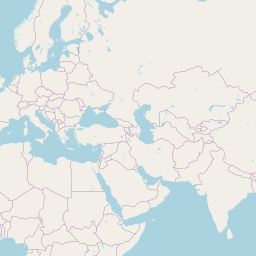
All Earthquakes — January 17, 2026
Showing 30 of 130 (filtered from 305)
(Filtered to M2.0+. Change the magnitude filter to see smaller events.)
| Time ↓ | Mag ↕ | Location ↕ | Depth ↕ | Felt ↕ | MMI | Alert | Status | Details |
|---|---|---|---|---|---|---|---|---|
2026-01-17 2026-01-17 23:24:16 UTC | 2.1ml | 62 km WNW of Sitka, Alaska 57.214°, -136.317° | 6.6 km | - | - | - | ✓ Reviewed | USGS → |
On January 17, 2026, worldwide seismic activity registered a magnitude 2.1 earthquake 62 km WNW of Sitka, Alaska at 23:24 UTC. It arrived roughly 2 hours after a larger magnitude 3.9 mainshock in the same 20 km area, placing it within the typical aftershock window. See the M2.1 event page for the full report, ShakeMap, and citizen-reported intensity data. | ||||||||
2026-01-17 2026-01-17 23:21:53 UTC | 4.7mb | 96 km W of Port-Vila, Vanuatu -17.663°, 167.405° | 10.0 km | - | - | - | ✓ Reviewed | USGS → |
The USGS recorded this magnitude 4.7 earthquake 96 km W of Port-Vila, Vanuatu at 23:21 UTC on January 17, 2026. The event was offshore. See the M4.7 event page for the full report, ShakeMap, and citizen-reported intensity data. | ||||||||
2026-01-17 2026-01-17 22:53:16 UTC | 3.2ml | 191 km SSE of Adak, Alaska 50.380°, -175.282° | 20.0 km | - | - | - | ✓ Reviewed | USGS → |
At 22:53 UTC on January 17, 2026, a magnitude 3.2 tremor occurred 191 km SSE of Adak, Alaska. See the M3.2 event page for the full report, ShakeMap, and citizen-reported intensity data. | ||||||||
2026-01-17 2026-01-17 22:49:00 UTC | 2.0md | 10 km SSW of Guánica, Puerto Rico 17.884°, -66.933° | 12.7 km | - | - | - | ✓ Reviewed | USGS → |
Reports of a magnitude 2.0 earthquake 10 km SSW of Guánica, Puerto Rico came in on January 17, 2026 at 22:49 UTC. Coming 19 hours after a magnitude 2.5 earthquake in the immediate vicinity, it is most likely an aftershock of that larger rupture. See the M2.0 event page for the full report, ShakeMap, and citizen-reported intensity data. | ||||||||
2026-01-17 2026-01-17 22:43:29 UTC | 3.0ml | 7 km NE of Coso Junction, CA 36.093°, -117.896° | 5.6 km | - | - | - | ✓ Reviewed | USGS → |
On January 17, 2026 at 22:43 UTC, a magnitude 3.0 earthquake struck 7 km NE of Coso Junction, CA. In the 72 hours after this event, the USGS recorded 4 smaller earthquakes within 20 km, consistent with an ongoing aftershock sequence rooted here. See the M3.0 event page for the full report, ShakeMap, and citizen-reported intensity data. | ||||||||
2026-01-17 2026-01-17 22:36:57 UTC | 2.5ml | 55 km E of Pedro Bay, Alaska 59.737°, -153.126° | 104.7 km | - | - | - | ✓ Reviewed | USGS → |
On January 17, 2026, worldwide seismic activity registered a magnitude 2.5 earthquake 55 km E of Pedro Bay, Alaska at 22:36 UTC. The event was offshore. See the M2.5 event page for the full report, ShakeMap, and citizen-reported intensity data. | ||||||||
2026-01-17 2026-01-17 22:36:56 UTC | 2.3ml | 56 km E of Pedro Bay, Alaska 59.753°, -153.097° | 108.1 km | - | - | - | ✓ Reviewed | USGS → |
Seismographs logged a magnitude 2.3 earthquake 56 km E of Pedro Bay, Alaska with origin time 22:36 UTC on January 17, 2026. The event was offshore. See the M2.3 event page for the full report, ShakeMap, and citizen-reported intensity data. | ||||||||
2026-01-17 2026-01-17 22:32:28 UTC | 2.8ml | 58 km WNW of Sitka, Alaska 57.251°, -136.220° | 5.6 km | - | - | - | ✓ Reviewed | USGS → |
A magnitude 2.8 earthquake was recorded 58 km WNW of Sitka, Alaska on January 17, 2026 at 22:32 UTC. Coming 1 hours after a magnitude 3.9 earthquake in the immediate vicinity, it is most likely an aftershock of that larger rupture. See the M2.8 event page for the full report, ShakeMap, and citizen-reported intensity data. | ||||||||
2026-01-17 2026-01-17 22:29:55 UTC | 2.0ml | 52 km SSE of Denali National Park, Alaska 63.088°, -151.429° | 0.6 km | - | - | - | ✓ Reviewed | USGS → |
On January 17, 2026 at 22:29 UTC, a magnitude 2.0 earthquake struck 52 km SSE of Denali National Park, Alaska. This very shallow event was close enough to the surface that even modest magnitudes can produce significant local shaking. See the M2.0 event page for the full report, ShakeMap, and citizen-reported intensity data. | ||||||||
2026-01-17 2026-01-17 22:26:00 UTC | 2.2ml | 15 km S of Princeton, Canada 49.323°, -120.482° | -0.6 km | - | - | - | ✓ Reviewed | USGS → |
Reports of a magnitude 2.2 earthquake 15 km S of Princeton, Canada came in on January 17, 2026 at 22:26 UTC. This very shallow event was close enough to the surface that even modest magnitudes can produce significant local shaking. See the M2.2 event page for the full report, ShakeMap, and citizen-reported intensity data. | ||||||||
2026-01-17 2026-01-17 21:55:31 UTC | 4.3mb | 23 km SSE of Diego de Almagro, Chile -26.584°, -69.947° | 100.3 km | - | - | - | ✓ Reviewed | USGS → |
Reports of a magnitude 4.3 earthquake 23 km SSE of Diego de Almagro, Chile came in on January 17, 2026 at 21:55 UTC. See the M4.3 event page for the full report, ShakeMap, and citizen-reported intensity data. | ||||||||
2026-01-17 2026-01-17 21:45:51 UTC | 3.9ml | 64 km W of Sitka, Alaska 57.160°, -136.385° | 5.0 km | 28 | III | green | ✓ Reviewed | USGS → |
Reports of a magnitude 3.9 earthquake 64 km W of Sitka, Alaska came in on January 17, 2026 at 21:45 UTC. In the 72 hours after this event, the USGS recorded 6 smaller earthquakes within 20 km, consistent with an ongoing aftershock sequence rooted here. The USGS PAGER system assigned a green alert level for this event, signalling no significant casualties or damage expected. See the M3.9 event page for the full report, ShakeMap, and citizen-reported intensity data. | ||||||||
2026-01-17 2026-01-17 21:45:39 UTC | 2.0ml | 96 km W of Skwentna, Alaska 62.126°, -153.220° | 3.4 km | - | - | - | ✓ Reviewed | USGS → |
A magnitude 2.0 earthquake was recorded 96 km W of Skwentna, Alaska on January 17, 2026 at 21:45 UTC. This very shallow event was close enough to the surface that even modest magnitudes can produce significant local shaking. See the M2.0 event page for the full report, ShakeMap, and citizen-reported intensity data. | ||||||||
2026-01-17 2026-01-17 21:23:44 UTC | 2.2ml | Southern Alaska 59.763°, -153.376° | 126.4 km | - | - | - | ✓ Reviewed | USGS → |
A magnitude 2.2 seismic event took place near Southern Alaska on January 17, 2026 at 21:23 UTC. See the M2.2 event page for the full report, ShakeMap, and citizen-reported intensity data. | ||||||||
2026-01-17 2026-01-17 21:11:27 UTC | 2.2ml | 97 km N of Yakutat, Alaska 60.417°, -139.483° | 4.6 km | - | - | - | ✓ Reviewed | USGS → |
January 17, 2026 brought a magnitude 2.2 earthquake 97 km N of Yakutat, Alaska, logged at 21:11 UTC. This event falls inside the aftershock decay of a nearby magnitude 2.5 earthquake that occurred about 2 hours earlier. This very shallow event was close enough to the surface that even modest magnitudes can produce significant local shaking. See the M2.2 event page for the full report, ShakeMap, and citizen-reported intensity data. | ||||||||
2026-01-17 2026-01-17 20:23:38 UTC | 4.3mb | 62 km WSW of Langsa, Indonesia 4.250°, 97.446° | 10.0 km | - | - | - | ✓ Reviewed | USGS → |
A magnitude 4.3 seismic event took place 62 km WSW of Langsa, Indonesia on January 17, 2026 at 20:23 UTC. See the M4.3 event page for the full report, ShakeMap, and citizen-reported intensity data. | ||||||||
2026-01-17 2026-01-17 19:54:21 UTC | 2.7md | 81 km W of Ferndale, CA 40.571°, -125.218° | 10.0 km | - | - | - | ✓ Reviewed | USGS → |
A magnitude 2.7 seismic event took place 81 km W of Ferndale, CA on January 17, 2026 at 19:54 UTC. The event was offshore. See the M2.7 event page for the full report, ShakeMap, and citizen-reported intensity data. | ||||||||
2026-01-17 2026-01-17 19:28:50 UTC | 2.1ml | 105 km N of Yakutat, Alaska 60.495°, -139.649° | 1.3 km | - | - | - | ✓ Reviewed | USGS → |
At 19:28 UTC on January 17, 2026, a magnitude 2.1 tremor occurred 105 km N of Yakutat, Alaska. This event falls inside the aftershock decay of a nearby magnitude 3.1 earthquake that occurred about 9 hours earlier. This very shallow event was close enough to the surface that even modest magnitudes can produce significant local shaking. See the M2.1 event page for the full report, ShakeMap, and citizen-reported intensity data. | ||||||||
2026-01-17 2026-01-17 19:18:50 UTC | 2.5ml | 67 km SSE of King Cove, Alaska 54.475°, -162.021° | 14.0 km | - | - | - | ✓ Reviewed | USGS → |
At 19:18 UTC on January 17, 2026, a magnitude 2.5 tremor occurred 67 km SSE of King Cove, Alaska. See the M2.5 event page for the full report, ShakeMap, and citizen-reported intensity data. | ||||||||
2026-01-17 2026-01-17 18:56:38 UTC | 2.5ml | 100 km N of Yakutat, Alaska 60.438°, -139.496° | 6.3 km | - | - | - | ✓ Reviewed | USGS → |
The USGS recorded this magnitude 2.5 earthquake 100 km N of Yakutat, Alaska at 18:56 UTC on January 17, 2026. The event was offshore. See the M2.5 event page for the full report, ShakeMap, and citizen-reported intensity data. | ||||||||
2026-01-17 2026-01-17 18:49:56 UTC | 4.4mb | 144 km WSW of Houma, Tonga -21.485°, -176.649° | 237.2 km | - | - | - | ✓ Reviewed | USGS → |
On January 17, 2026 at 18:49 UTC, a magnitude 4.4 earthquake struck 144 km WSW of Houma, Tonga. See the M4.4 event page for the full report, ShakeMap, and citizen-reported intensity data. | ||||||||
2026-01-17 2026-01-17 18:44:03 UTC | 4.4mb | Kermadec Islands region -31.876°, 179.540° | 454.8 km | - | - | - | ✓ Reviewed | USGS → |
A magnitude 4.4 earthquake was recorded in the Kermadec Islands region on January 17, 2026 at 18:44 UTC. This deep-focus earthquake originated far below the brittle crust, deep inside the mantle. See the M4.4 event page for the full report, ShakeMap, and citizen-reported intensity data. | ||||||||
2026-01-17 2026-01-17 18:32:51 UTC | 2.0ml | 75 km NNE of Petersville, Alaska 63.157°, -150.457° | 114.1 km | - | - | - | ✓ Reviewed | USGS → |
Seismographs logged a magnitude 2.0 earthquake 75 km NNE of Petersville, Alaska with origin time 18:32 UTC on January 17, 2026. See the M2.0 event page for the full report, ShakeMap, and citizen-reported intensity data. | ||||||||
2026-01-17 2026-01-17 18:31:26 UTC | 2.1md | 5 km ENE of La Parguera, Puerto Rico 17.993°, -66.995° | 13.5 km | - | - | - | ✓ Reviewed | USGS → |
Seismographs logged a magnitude 2.1 earthquake 5 km ENE of La Parguera, Puerto Rico with origin time 18:31 UTC on January 17, 2026. See the M2.1 event page for the full report, ShakeMap, and citizen-reported intensity data. | ||||||||
2026-01-17 2026-01-17 18:26:02 UTC | 3.5ml | 13 km WNW of Beluga, Alaska 61.203°, -151.306° | 78.8 km | 2 | I | - | Auto | USGS → |
On January 17, 2026 at 18:26 UTC, a magnitude 3.5 earthquake struck 13 km WNW of Beluga, Alaska. See the M3.5 event page for the full report, ShakeMap, and citizen-reported intensity data. | ||||||||
2026-01-17 2026-01-17 18:25:53 UTC | 2.3ml | 99 km N of Yakutat, Alaska 60.434°, -139.516° | 0.5 km | - | - | - | ✓ Reviewed | USGS → |
On January 17, 2026, worldwide seismic activity registered a magnitude 2.3 earthquake 99 km N of Yakutat, Alaska at 18:25 UTC. This very shallow event was close enough to the surface that even modest magnitudes can produce significant local shaking. See the M2.3 event page for the full report, ShakeMap, and citizen-reported intensity data. | ||||||||
2026-01-17 2026-01-17 18:22:30 UTC | 2.2ml | 6 km SW of Volcano, Hawaii 19.392°, -155.274° | -1.1 km | - | - | - | Auto | USGS → |
This magnitude 2.2 event was detected 6 km SW of Volcano, Hawaii on January 17, 2026, with origin time 18:22 UTC. In the 72 hours after this event, the USGS recorded 4 smaller earthquakes within 20 km, consistent with an ongoing aftershock sequence rooted here. See the M2.2 event page for the full report, ShakeMap, and citizen-reported intensity data. | ||||||||
2026-01-17 2026-01-17 18:22:29 UTC | 2.1ml | 7 km SW of Volcano, Hawaii 19.384°, -155.279° | 1.4 km | - | - | - | ✓ Reviewed | USGS → |
A magnitude 2.1 earthquake was recorded 7 km SW of Volcano, Hawaii on January 17, 2026 at 18:22 UTC. In the 72 hours after this event, the USGS recorded 4 smaller earthquakes within 20 km, consistent with an ongoing aftershock sequence rooted here. See the M2.1 event page for the full report, ShakeMap, and citizen-reported intensity data. | ||||||||
2026-01-17 2026-01-17 18:21:09 UTC | 2.1ml | 117 km N of Yakutat, Alaska 60.593°, -139.961° | 9.5 km | - | - | - | ✓ Reviewed | USGS → |
The USGS recorded this magnitude 2.1 earthquake 117 km N of Yakutat, Alaska at 18:21 UTC on January 17, 2026. Coming 8 hours after a magnitude 3.1 earthquake in the immediate vicinity, it is most likely an aftershock of that larger rupture. The event was offshore. See the M2.1 event page for the full report, ShakeMap, and citizen-reported intensity data. | ||||||||
2026-01-17 2026-01-17 18:06:52 UTC | 2.0ml | 107 km N of Yakutat, Alaska 60.509°, -139.499° | 3.3 km | - | - | - | ✓ Reviewed | USGS → |
On January 17, 2026, worldwide seismic activity registered a magnitude 2.0 earthquake 107 km N of Yakutat, Alaska at 18:06 UTC. Coming 13 hours after a magnitude 2.2 earthquake in the immediate vicinity, it is most likely an aftershock of that larger rupture. This very shallow event was close enough to the surface that even modest magnitudes can produce significant local shaking. See the M2.0 event page for the full report, ShakeMap, and citizen-reported intensity data. | ||||||||
Legend:
Mag: Magnitude (magType = ml, mb, mw, etc.)
Felt: Number of DYFI felt reports
MMI: Modified Mercalli Intensity (I-X+)
Alert: PAGER alert level
Depth: Shallow (<70km), Intermediate, Deep (>300km)
Status: Auto = preliminary, Reviewed = verified by seismologist
Click any row to see additional technical details.
About This Page
This page shows all earthquakes recorded by the USGS Earthquake Hazards Program during the 24-hour UTC period on January 17, 2026. Data includes all events of magnitude 1.0 or greater. Past earthquake data is considered final after review by USGS seismologists.