M5.0 Earthquake 111 km E of Yamada, Japan — April 20, 2026
2026-04-20 10:44:16 UTC (1 hour ago)
Aftershock of the M5.1 mainshock.
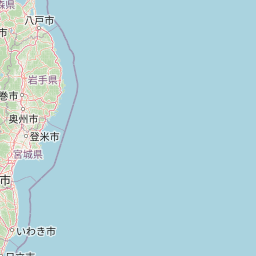
On April 20, 2026 at 10:44 UTC, a magnitude 5.0 shallow crustal earthquake struck 111 km E of Yamada, Japan, at a depth of 47.6 km and coordinates 39.4819°, 143.2471°. This earthquake was detected by 50 seismic stations with good location accuracy and was assigned a USGS significance rating of 385, placing it among routine seismic activity.
This earthquake is part of an ongoing aftershock sequence following the magnitude 5.1 mainshock that occurred 2 hours ago 115 km E of Miyako, Japan. Since the mainshock, the USGS has recorded 2 aftershocks in this area. Aftershock activity is expected to continue for days to weeks as stresses on surrounding faults redistribute.
The epicenter is located in Japan, a region characterized by the intersection of four tectonic plates — Pacific, Philippine Sea, Eurasian, and North American — creating multiple subduction zones. The nearest mapped fault system is the Japan Trench. View all earthquakes in Japan.
Learn more: Magnitude scale · Aftershock sequences
Earthquake Details
143.2471°E
Technical Information
Nearby Earthquakes (Last 7 Days)
Common Questions
How strong was the magnitude 5.0 earthquake near Yamada, Japan?
The magnitude 5.0 earthquake that struck 111 km E of Yamada, Japan on April 20, 2026 at 10:44 UTC had a depth of 47.6 km. For context, this was a moderate earthquake that could be widely felt.
Where did the earthquake occur?
The earthquake epicenter was located at 39.4819°, 143.2471°, which is 111 km E of Yamada, Japan. View all earthquakes in Japan.
Were there aftershocks?
Aftershock activity is monitored continuously by the USGS. Aftershock sequences from magnitude 5.0 earthquakes can continue for days to weeks and gradually diminish over time.
Is this the same earthquake as the M5.1 one earlier?
No. This magnitude 5.0 earthquake is an aftershock of the larger magnitude 5.1 mainshock that occurred earlier 115 km E of Miyako, Japan. Aftershocks are smaller earthquakes triggered by stress changes from the mainshock.
Has Japan had earthquakes this big before?
The largest recorded earthquake in Japan was the M9.1 Tohoku earthquake of March 11, 2011. Today's magnitude 5.0 event is significantly smaller than that historical record.
What should I do after an earthquake?
If you were in the affected area: check yourself and others for injuries, inspect your home for damage, and be prepared for aftershocks. For detailed guidance, see our earthquake safety guide and emergency planning resources.