M4.7 Earthquake 20 km SE of Silver Springs, Nevada — April 19, 2026
2026-04-19 14:39:16 UTC (2 hours ago)
Felt by 308 people across surrounding communities. Maximum shaking intensity MMI 7.0 (very strong). Aftershock of the M5.7 mainshock.
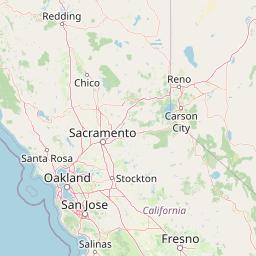
On April 19, 2026 at 14:39 UTC, a magnitude 4.7 shallow crustal earthquake struck 20 km SE of Silver Springs, Nevada, at a depth of 6.0 km and coordinates 39.2685°, -119.0857°. The earthquake was reported felt by 308 peopleacross surrounding communities, with a maximum shaking intensity of Modified Mercalli Intensity (MMI) 7.0 (very strong). The USGS PAGER system issued a green alert level for this event, indicating no significant casualties or damage expected. This earthquake was detected by 11 seismic stations with good location accuracy and was assigned a USGS significance rating of 464, placing it among routine seismic activity. The nearest populated place is Silver Springs (population 4,684).
This earthquake is part of an ongoing aftershock sequence following the magnitude 5.7 mainshock that occurred 5 days ago 20 km ESE of Silver Springs, Nevada. Since the mainshock, the USGS has recorded 132 aftershocks in this area. Aftershock activity is expected to continue for days to weeks as stresses on surrounding faults redistribute.
The epicenter is located in Nevada, a region characterized by Basin and Range extensional tectonics, where normal faulting accommodates east-west crustal stretching at approximately 10 mm per year. The nearest mapped fault system is the Walker Lane fault zone. View all earthquakes in Nevada.
Learn more: Magnitude scale · Aftershock sequences
Nearest Populated Places
What the Shaking Felt Like
At MMI 7.0 (very strong), people in the most strongly affected areas would have experienced: Strong shaking felt by everyone. Heavy furniture may move. Books fall from shelves. Plaster and chimneys may crack. Damage is generally slight in well-built structures.
Earthquake Details
-119.0857°E
Technical Information
Nearby Earthquakes (Last 7 Days)
Common Questions
How strong was the magnitude 4.7 earthquake near Silver Springs, Nevada?
The magnitude 4.7 earthquake that struck 20 km SE of Silver Springs, Nevada on April 19, 2026 at 14:39 UTC had a depth of 6.0 km. It was felt by 308 people with maximum shaking intensity of MMI 7.0 (very strong). For context, this was a light earthquake commonly felt near the epicenter.
Where did the earthquake occur?
The earthquake epicenter was located at 39.2685°, -119.0857°, which is 20 km SE of Silver Springs, Nevada. The nearest populated place is Silver Springs (population 4,684). View all earthquakes in Nevada.
Were there aftershocks?
Aftershock activity is monitored continuously by the USGS. Aftershock sequences from magnitude 4.7 earthquakes can continue for several days and gradually diminish over time.
Is this the same earthquake as the M5.7 one earlier?
No. This magnitude 4.7 earthquake is an aftershock of the larger magnitude 5.7 mainshock that occurred earlier 20 km ESE of Silver Springs, Nevada. Aftershocks are smaller earthquakes triggered by stress changes from the mainshock.
Has Nevada had earthquakes this big before?
The largest recorded earthquake in Nevada was the M7.3 Pleasant Valley earthquake of October 2, 1915. Today's magnitude 4.7 event is significantly smaller than that historical record.
What should I do after an earthquake?
If you were in the affected area: check yourself and others for injuries, inspect your home for damage, and be prepared for aftershocks. For detailed guidance, see our earthquake safety guide and emergency planning resources.